


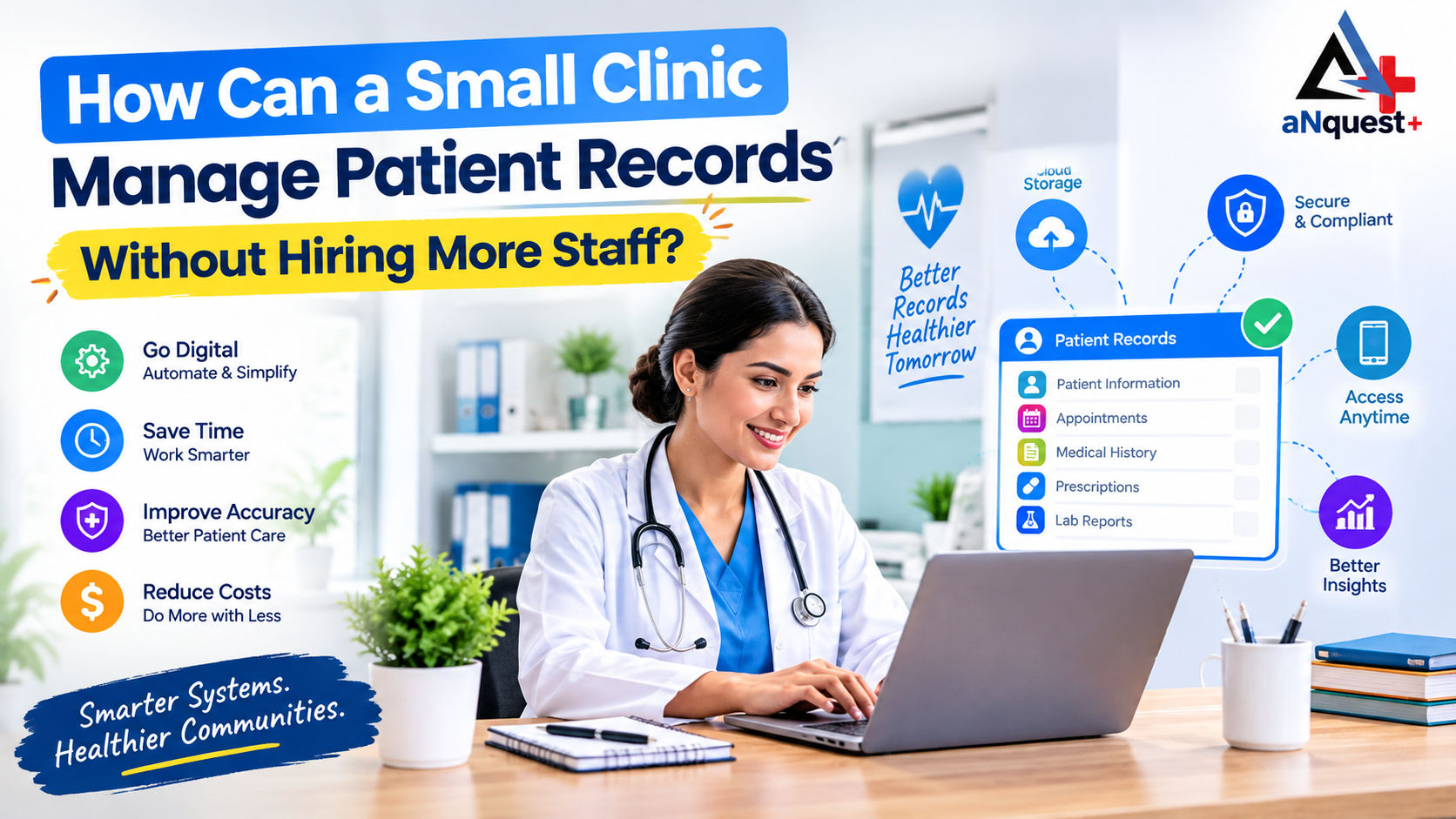
A small clinic can manage growing patient records without a new hire by combining three things: a digital EMR system that replaces manual filing, WhatsApp-based automation for intake and reminders, and selective outsourcing only for the overflow work that's genuinely one-off. Most clinics only try the first one, get partial relief, and assume they need a person after all.
That's usually the wrong conclusion. Here's why.
Why Patient Records Pile Up Faster Than Small Clinics Can Staff For
Picture a solo dermatologist's front desk on a Tuesday morning. Six patients booked, three walk-ins, two calling to reschedule, and somewhere in the pile is a lab report from Monday that still needs to go into a file. Nobody added headcount to the clinic. But the record load doubled in eighteen months because the patient base grew — and the admin work grew with it, quietly, one form at a time.
This is the pattern behind almost every "we need to hire someone" conversation. It's rarely one big problem. It's five small ones stacked on the same desk.
Digitize Records with an EMR System First
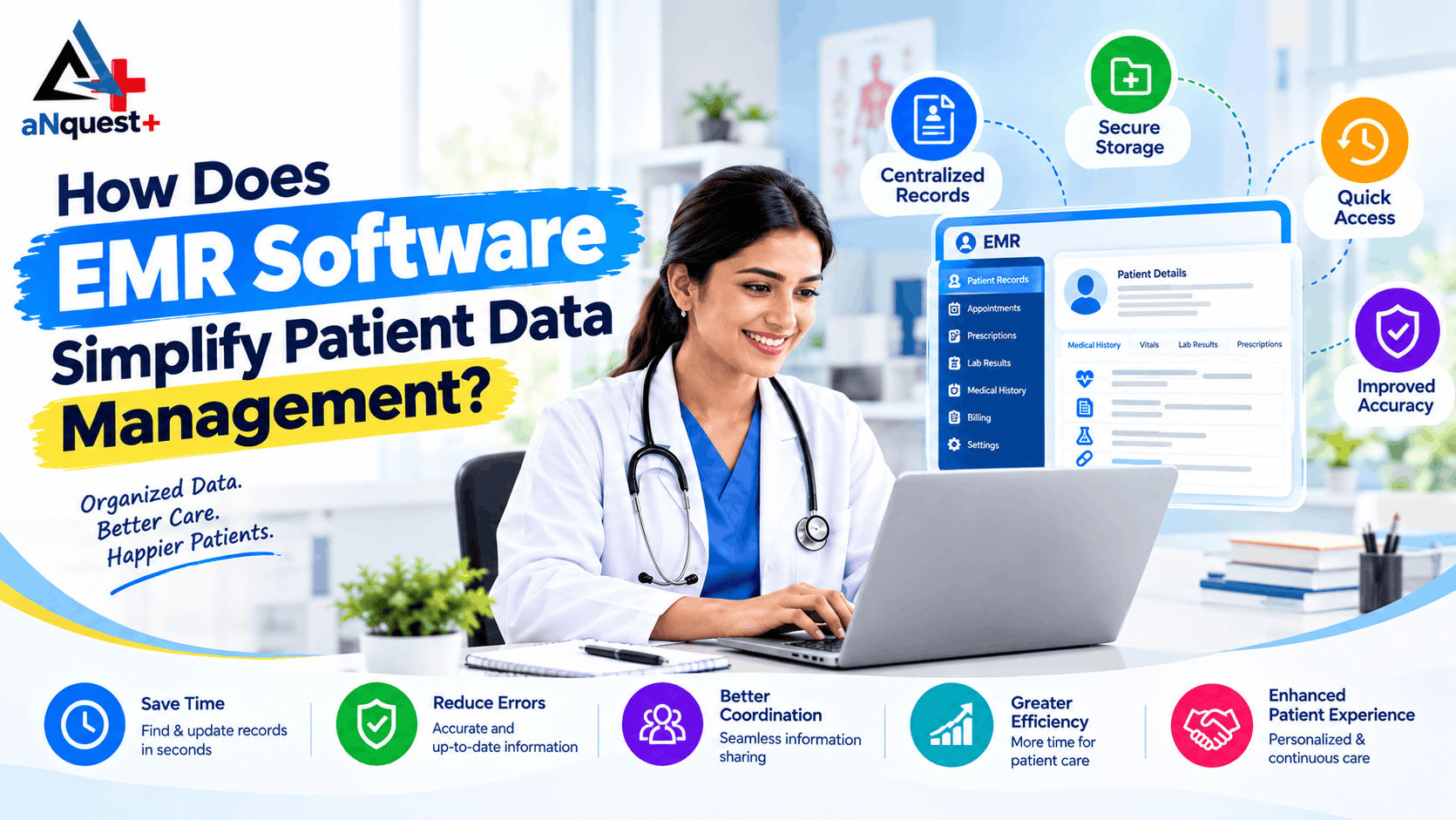
Paper charts don't scale, full stop. A digital EMR gives you searchable patient history, e-prescriptions that don't require legible handwriting, and a single place lab results land instead of a stack of manila folders. This part isn't controversial — most software reviews covering this topic already say as much.
What they miss is the second half of the equation: an EMR alone doesn't solve intake. It just gives you somewhere fast to put the data once someone's already typed it in. If your front desk is still handing out clipboards, you've digitized the filing cabinet and left the bottleneck exactly where it was.
Automate Patient Intake and Reminders via WhatsApp
Here's the part almost nobody writing about this topic in English actually covers: for an Indian clinic, WhatsApp isn't a nice-to-have channel. It's the channel. Patients open it within minutes. SMS gets ignored, email gets buried, and a patient portal only works if the patient remembers a password they set up once, eight months ago.
Why WhatsApp Works Better Than SMS for Indian Patients
SMS automation is the default recommendation in most clinic-software guides — because most of them are written for a US audience where SMS still has decent open rates. That doesn't hold the same way here. A reminder sent through WhatsApp lands in the same app a patient already checks for family messages and work updates. It doesn't compete with a locked screen notification that gets swiped away.
What This Actually Saves Your Front Desk Each Week
Send the intake form as a WhatsApp link the moment someone books. They fill in demographics, symptoms, and consent on the bus, at home, wherever — not in your waiting room with a clipboard balanced on their knee. By the time they walk in, that data's already sitting in their file. Add automated appointment reminders and a simple "reply YES to confirm" flow, and you've replaced two of the five stacked problems from that Tuesday-morning scenario without adding a single person to payroll.
Outsource Only the Overflow, Not Everything
Some guides on this topic go the opposite direction entirely and recommend outsourcing all your data entry to a BPO. That's not wrong, exactly — it's just incomplete. Outsourcing makes sense for backlog clearing (say, digitizing five years of paper charts in one push) or for genuinely seasonal spikes. It doesn't make sense as your everyday intake process, because now you've added a hand-off step and a vendor relationship for work that automation would have handled at the point of booking.
Use outsourcing for the one-time cleanup. Use automation for the everyday flow. Don't use one to solve the other's problem.
Software Cost vs. Hiring an Extra Staff Member: A Quick Comparison
Nobody writing about this topic actually runs the numbers side by side, so here's a rough version. A full-time front-desk hire in most Indian cities runs somewhere in the range of a mid-level monthly salary plus PF and other statutory costs — call it a meaningful five-figure monthly commitment once everything's accounted for. A clinic CRM/EMR subscription with WhatsApp automation built in typically costs a fraction of that per month, and it doesn't take sick leave, doesn't need training on your specific workflow every time someone new joins, and scales the moment you open a second location.
That's not an argument against ever hiring — a growing multi-doctor practice will eventually need dedicated admin staff regardless of what software it runs. It's an argument against hiring reflexively the first time the record load feels heavy, when the actual bottleneck is a process problem, not a headcount problem.
Is This Compliant? What Small Clinics in India Need to Know
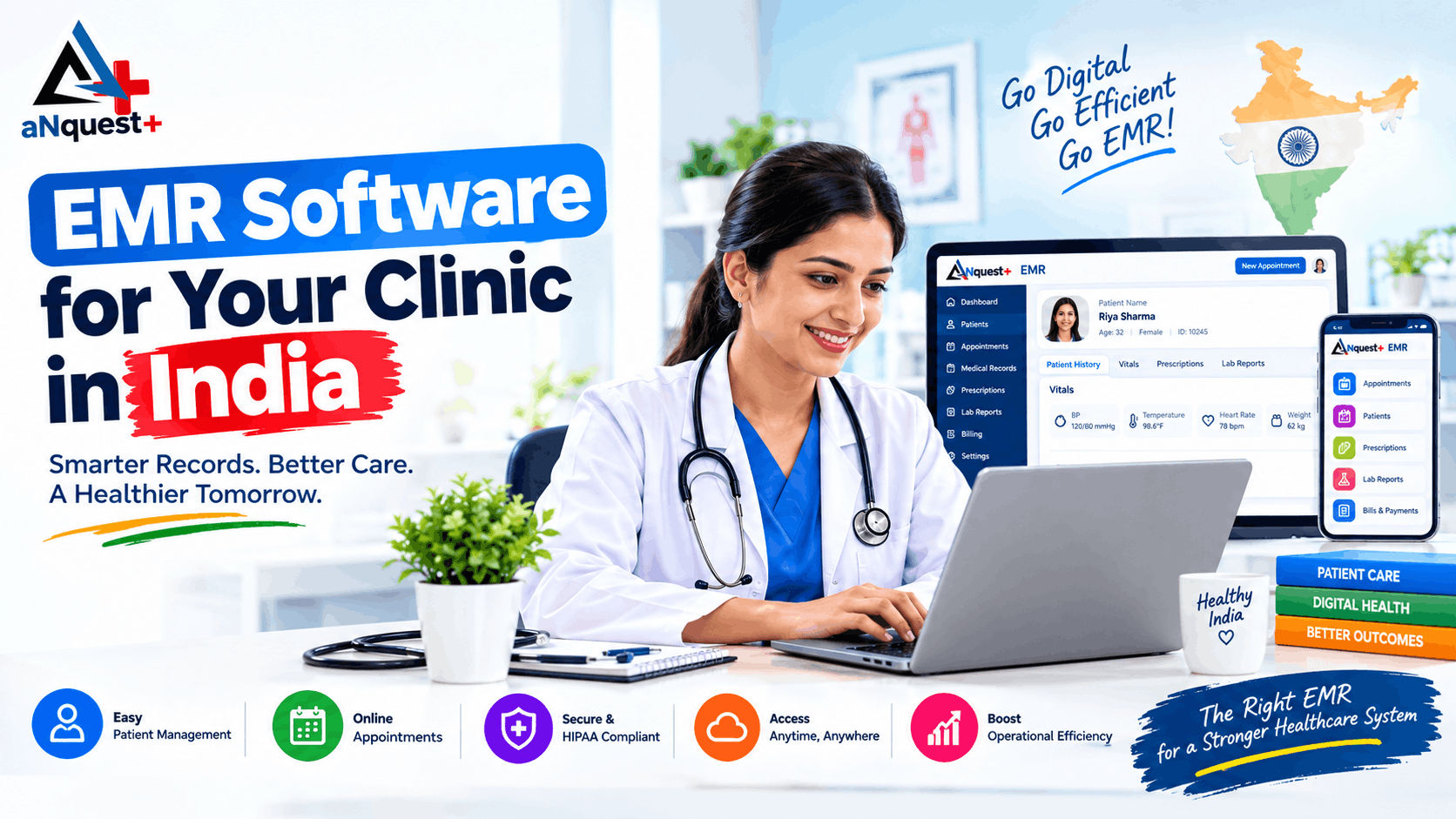
Most guides on this topic default to HIPAA, because most of them are written by and for US companies. HIPAA doesn't apply here. What does is India's Digital Personal Data Protection Act, 2023 — the country's first dedicated data protection law, which received presidential assent in August 2023 and became fully operational once the DPDP Rules 2025 were notified by the Ministry of Electronics and Information Technology in November 2025.
The short version for a clinic: patient data counts as personal data under the Act, you're a "data fiduciary" the moment you collect it, and consent has to be specific and freely given — not buried in fine print nobody reads. Patients can also ask for consent notices in their preferred Indian language, and they can withdraw consent at any point. If your intake automation captures consent as a clear, revocable step rather than a blanket checkbox, you're already most of the way to compliant. You can read the full framework directly from MeitY's official data protection page.
People Also Ask
What software helps small clinics manage patient records?
A clinic-focused EMR/CRM combination — one that handles records, scheduling, and patient communication in one system rather than three separate tools stitched together with someone's memory of which one to check.
How much does EMR software cost for a small clinic in India?
Pricing varies by vendor and feature set, but for a single-doctor or small multi-doctor practice, expect a monthly subscription model rather than a large upfront license — see aNquest+'s services page for current plans, or request a quote for pricing specific to your practice size.
Is WhatsApp safe for sharing patient information?
It's safe when the platform sits on top of proper consent capture and encrypted storage on the backend — the risk isn't WhatsApp itself, it's sending unencrypted PHI through a personal, unmanaged WhatsApp number rather than a compliant automation layer built for healthcare use.
Can a single-doctor clinic run without a dedicated records staff member?
Yes, in most cases — a single-doctor practice with digital intake and automated reminders in place rarely generates enough manual record work to justify a full-time hire dedicated solely to records. It usually becomes worth it only once the doctor adds a second provider or a second location.
aNquest+ is built and maintained by aNquest Media's software development team, which is why the WhatsApp and EMR pieces above are designed to work together rather than as two separate tools bolted on afterward.
Have questions about setting this up for your own clinic? Get in touch or learn more about how aNquest+ works.